Sipping Style: Exploring the Intersection of Wine and Architectural Design
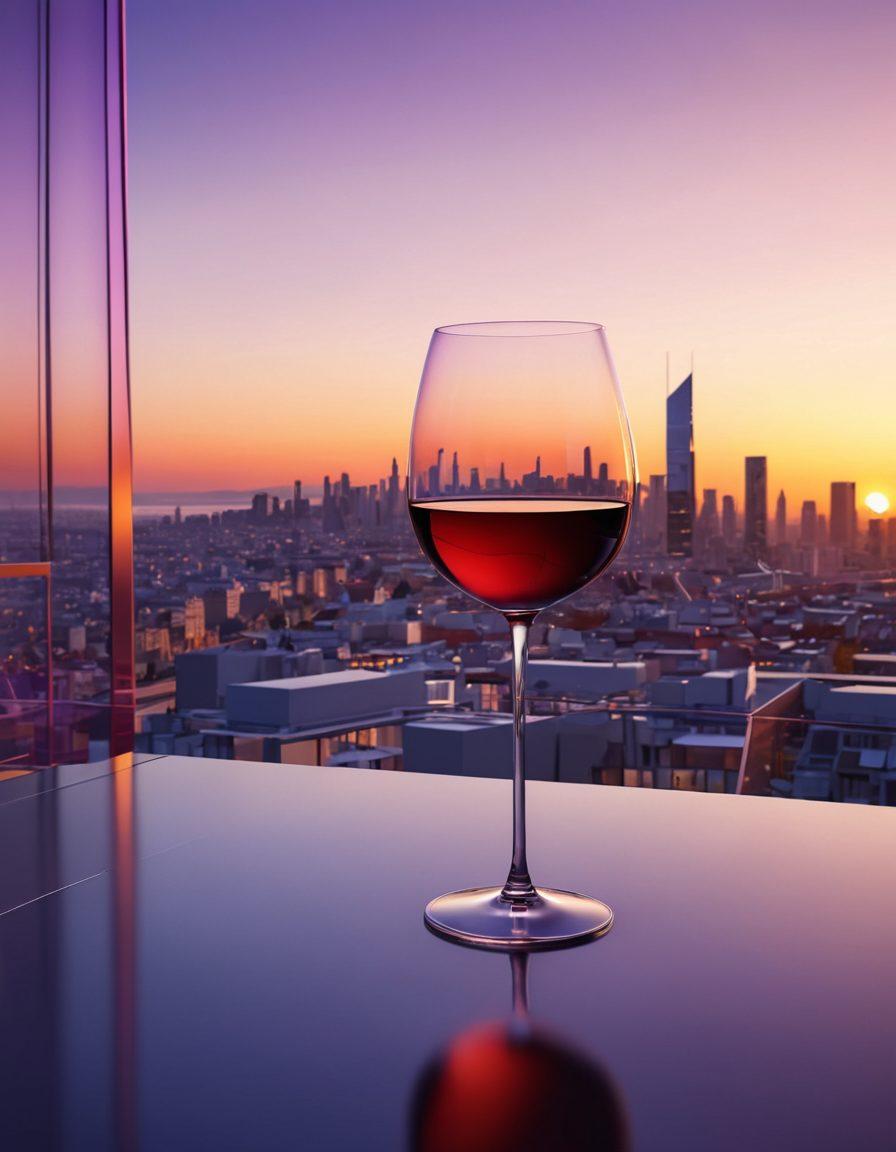
Wine has long been a source of inspiration across various forms of art, but have you ever considered how it influences architectural design? The relationship between wine and architecture is a fascinating interplay that not only enhances the aesthetic appeal of buildings but also reflects cultural narratives. Just think about it: have you ever visited a winery and been struck by how beautifully the structure melds with its surroundings? This interaction between wine and architectural design goes beyond mere aesthetics; it represents a convergence of senses that can create unforgettable experiences and spark creativity in both the architect and the visitor.
What if I told you that the principles of wine design and building design share a common philosophy? Just as the nuances of winemaking require precision and craftsmanship, so does the art of architectural style. The use of materials, light, and space plays a pivotal role in both realms. For example, in landscape architecture—crucial for wine tourism—designers often capitalize on the natural terrain to create stunning vineyards that double as public spaces. Wine culture, with its narratives of tradition and terroir, shapes how we perceive these spaces. It's not just about pouring a glass of Merlot but experiencing the entire ambiance that the architecture offers.
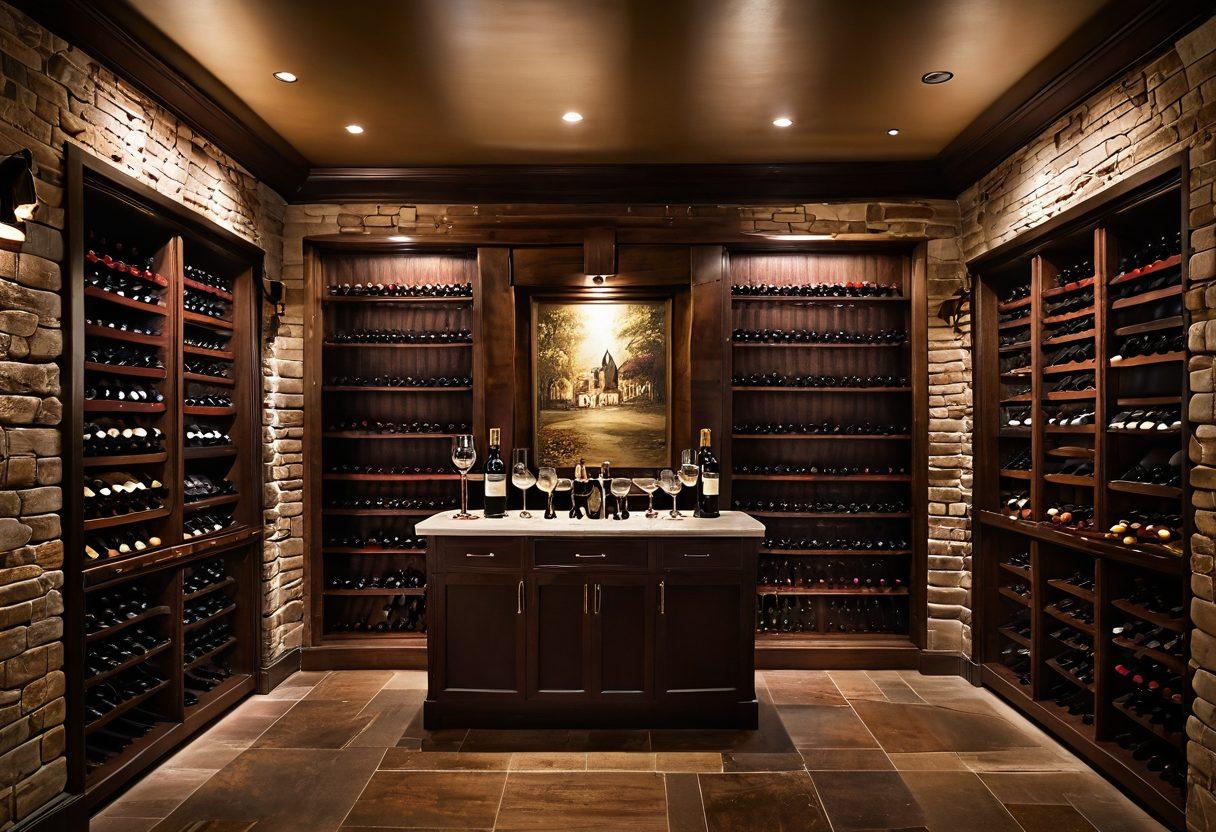
Architectural literature often discusses the intricate relationship between wine aesthetics and the spaces that house them. When you delve into architecture books or architectural magazines, you'll encounter discussions around wine cellar design that celebrate both function and beauty. The design principles for these environments must harmonize with intuitive understandings of viniculture; it’s about creating a sensory oasis where every detail contributes to the overall wine experience. Consider the wines of Spain, where historic architecture meets contemporary touches, enticing visitors with the story that each design choice narrates.
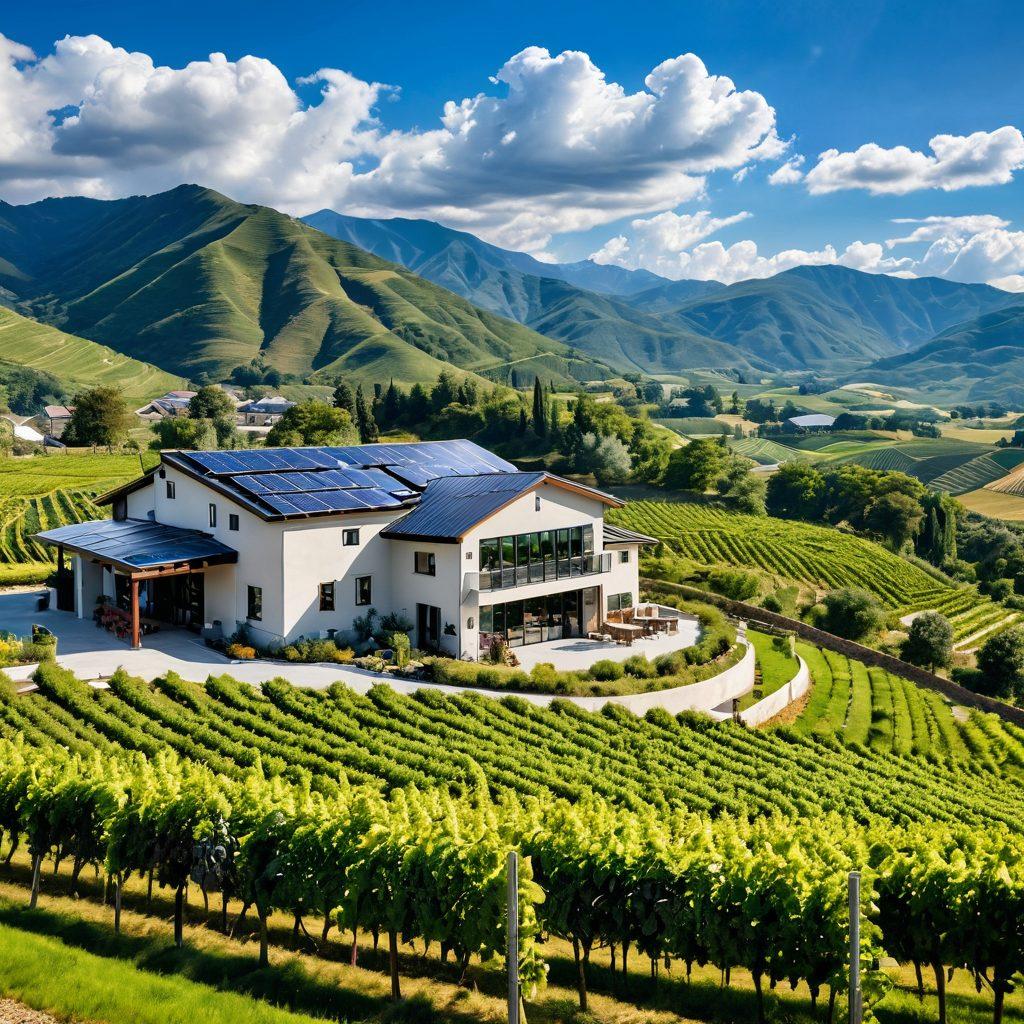
Speaking of storytelling, have you ever come across an architectural critique that made you look at a building differently? Many wine industry publications highlight designs that reflect local heritage, often pushing the envelope through sustainable architecture. By incorporating eco-friendly practices, these designs not only attract wine enthusiasts but also resonate with a broader audience that values responsible consumption. It's a conversation starter: how do you feel about wineries that integrate sustainability into their architectural choices?
In conclusion, wine and design together create a unique dialogue that shapes our environment and experiences. Whether it's during a casual visit to a vineyard or a formal gathering, understanding the architectural theory behind wine-related architecture allows us to appreciate the complex layers of our surroundings. So next time you uncork a bottle of your favorite vintage, take a moment to consider the design elements of the space around you. How does that architecture enhance the experience of the wine? Drink in the view—after all, isn’t wine as much about the journey as it is about the taste?
The Art of Wine: Merging Aesthetics with Building Principles
Imagine stepping into a space where the aroma of fine wine dances in the air, complemented by architectural artistry that tells a story of its own. The world of wine architecture is not just about the buildings that house your favorite vintages; it's about creating a sensory experience where aesthetics and functionality intertwine harmoniously. Have you ever paused to consider how the design of a winery or a wine cellar affects your enjoyment of the wine itself? In this exploration of the art of wine, we dive deep into the delicate relationship between design principles and architectural style, ultimately examining how they shape the very culture of viniculture.
From sprawling vineyards that stretch over picturesque landscapes to intimate wine cellars nestled within urban districts, wine architecture offers a diverse canvas for architects and designers alike. Wine-related architecture is not merely a trend; it's a statement of intent. Each bottle of wine represents years of meticulous craftsmanship, just as each building reflects the architectural history and theory that underpin its design. Architectural literature and guides on wine design unveil the art behind these structures, revealing how design aesthetics enhance the experience of wine tourism and enjoyment. After all, what could be more inviting than a beautifully designed space where you can savor a glass of Cabernet?
Throughout history, the world has witnessed an evolution in architectural styles applied to wineries and tasting rooms. The juxtaposition of contemporary architecture with historic architecture can be mesmerizing. It incites a curiosity about the narratives that reside within those walls. Why do we find ourselves drawn to certain spaces? Aesthetics plays a pivotal role in this attraction. Imagine a sleek, modern winery framed by lush vineyards, or a rustic cellar made from reclaimed wood. These design choices make profound statements about the philosophy of winemaking and foster a connection between the consumer and the land.
But it doesn't stop at visual appeal; sustainable architecture increasingly finds its way into wine design. As the wine industry pays more attention to environmental responsibility, architects are challenged to implement sustainable practices in building design. How can we create a space that respects the land, portrays the beauty of wine aesthetics, and serves its function? By integrating landscape architecture into winery designs, architects can ensure that both the built environment and natural surroundings flourish together, enhancing both the experience of tasting wine and appreciating its origins.
Finally, let’s not overlook the role of interior design for wineries. The ambiance created by thoughtful design elements can transform a simple tasting session into an unforgettable journey through wine culture. From curated art to cozy seating arrangements that encourage conversation, every detail matters in inspiring patrons to linger just a little longer. As we explore the interplay between wine and design, let’s reflect on how these spaces underscore our appreciation for the visual arts in architecture and provoke questions about our own taste and preferences. How will you immerse yourself in the world of wine architecture the next time you pop the cork?
From Grapes to Green Spaces: Sustainable Architecture in Wineries
In a world where the aroma of fine wine intertwines with the beauty of architectural brilliance, a fascinating narrative unfolds. Welcome to the enchanting realm of wineries, where sustainable architecture is not just a trend, but a necessity. Picture this: sprawling vineyards, carefully designed structures nestled within picturesque landscapes, and an experience rooted in both wine culture and architectural theory. By the end of this journey, you may find yourself looking at your next bottle of wine through a different lens - that of the architect who brought it to life, integrating elegance, sustainability, and a deep respect for nature.
As the wine industry continues to flourish, the marriage of wine and architecture becomes increasingly significant. Wineries today are not merely places to produce and taste wine; they are architectural masterpieces that reflect the land's identity and culture. The principles of sustainable architecture breathe life into these establishments, enchanting visitors while minimizing environmental impact. Perhaps you’ve noticed how elegantly these buildings blend into their surroundings, fostering a sense of place. Have you ever wondered how design aesthetics in wine can enhance the sensory experience of tasting?
Consider a renowned winery featured in countless architecture magazines, with a striking facade that draws you in. What inspires that design? It’s a beautiful balance of form and function, a dance between interior design for wineries and landscape architecture. For example, some wineries employ local materials that resonate with their geographic roots, adhering to the architectural history of the region. Isn't it captivating how color, texture, and layout shape our experience? This is the art of wine-related architecture—a testament to how spaces can echo the craft within them.
Moreover, the influence of architectural guides and critiques on wine architecture cannot be understated. Many viticulturalists collaborate with designers to create immersive experiences that reflect their philosophy. Did you know that the curved wooden beams in a wine cellar design can not only hold structural significance but also optimize the acoustics for the clinking of glasses during a tasting event? Imagine savoring a delightful vintage, surrounded by aesthetics that speak to the wine’s essence. It’s fascinating how design principles come together to curate an unforgettable atmosphere, inviting us to explore further.
Engaging in sustainable architecture is more than a fashion statement; it’s about respecting our planet while celebrating the art of viniculture. As wine tourism rises, so does our responsibility to create spaces that honor the legacy of the land and the architecture that nurtures it. Whether you are an avid wine enthusiast or an architectural aficionado, the inevitable question arises: how can we incorporate these insights into our own living or dining spaces? Embracing the charm of wine aesthetics, we can create our own harmonious environments that mirror the vineyards we love. Cheers to the beauty of wine and design—together, they tell a story that inspires and endures!